

Physical showroom vs virtual showroom


Physical showroom vs virtual showroom
Comparison between Virtual and Physical Showrooms: An Analytical Study
In today’s rapidly moving digital environment, the idea of showrooms has undergone substantial changes. Businesses now have alternative options beyond traditional physical showrooms to display their products or services. Due to the rise of technology, virtual showrooms have become a well-liked option. In this article, we will explore extensively the realm of showrooms and perform a thorough examination of virtual and physical showrooms. We will specifically concentrate on the effects of these showroom options on the Energy, Manufacturing, Mining, and Construction sectors.
Comprehending Virtual Showrooms
Prior to exploring the complexities of virtual showrooms, it is important to define them clearly. Virtual showrooms are online platforms that recreate the experience of a physical showroom through interactive features. Businesses have the chance to display their products or services to a global audience in a digital setting.
Description of Virtual Showrooms
Cutting-edge technology in virtual showrooms provides immersive experiences for potential customers. These platforms use VR or AR technology to allow users to virtually engage with products as if they were there in person.
Picture yourself entering a virtual store and being greeted by a wide range of products. By utilizing VR or AR technology, you have the ability to closely analyze every item, zooming in for a detailed view of specific features or zooming out for a broader perspective. The virtual showroom provides a lifelike setting, including lighting, sound effects, and background music, to improve the overall experience.
You can not only view the items but also engage with them. In virtual showrooms, you can interact with objects by rotating them, opening and closing compartments, and testing their functions. This high level of interactivity offers a tactile experience that surpasses what a conventional showroom can provide.
Advantages of Online Showrooms
Virtual showrooms provide many benefits to companies in the Energy, Manufacturing, Mining, and Construction sectors. First and foremost, they offer an affordable option for displaying big and intricate products that are hard to bring to traditional retail locations.
Picture a company that focuses on producing large equipment. Moving these huge machines to various places for exhibition can be a logistical challenge. Nevertheless, through virtual showrooms, companies can exhibit their products without having to physically transport them. Not only does this save money, but it also prevents possible damages that could happen while moving.
Moreover, virtual showrooms enable companies to access a worldwide audience, overcoming geographical limitations and growing their customer reach. Having a conventional showroom means that businesses can only appeal to customers from a particular area. Yet, through virtual showrooms, individuals from any location can view and interact with the products via the Internet.
Furthermore, virtual showrooms provide unparalleled convenience and accessibility. Potential customers have the ability to browse products with an internet connection, no matter their location or time. This convenience removes the requirement for traveling, conserving time and resources for businesses and customers alike.
Picture yourself as a potential buyer looking to buy a new vehicle. Instead of going to several brick-and-mortar showrooms, you can easily view virtual showrooms from your own home’s comfort. You have the option to examine various models, contrast specifications, and also participate in virtual test drives. This convenience enables you to make informed choices without the need to physically visit numerous places.

Possible disadvantages of virtual showrooms
Although virtual showrooms offer numerous benefits, it is crucial to recognize their possible downsides. A major obstacle is the dependence on technology. Technical difficulties, like connectivity issues or software malfunctions, can impact the user experience and disrupt the seamless functioning of virtual showrooms.
Picture yourself in the midst of navigating through a digital display room when all of a sudden, your internet connection is lost. This disruption can be annoying and might dissuade possible customers from fully interacting with the products. Likewise, the immersive experience may be disrupted by software glitches or compatibility issues, resulting in a less satisfying interaction.
In addition, virtual showrooms may not have the tactile experience that physical showrooms offer. Customers cannot physically interact with or try out products, which could affect how they make decisions. For instance, when purchasing a new mattress, many customers find it crucial to be able to lay down and experience its comfort. Virtual showrooms are unable to completely replicate this hands-on experience.
Furthermore, virtual showrooms are unable to completely mimic the social engagement and individualized support provided by physical showrooms. In a brick-and-mortar store, clients can engage with sales staff, inquire about products, and get tailored suggestions. The act of human interaction is crucial in developing trust and creating a bond between the consumer and the company.
Furthermore, virtual showrooms are unable to completely mimic the social engagement and individualized support provided by physical showrooms. In a brick-and-mortar store, clients can engage with sales staff, inquire about products, and get tailored suggestions. The act of human interaction is crucial in developing trust and creating a bond between the consumer and the company.
Nonetheless, virtual showrooms are progressing and getting better despite their limitations. With the progression of technology, it is likely that virtual showrooms will become increasingly immersive, surpassing current limitations to offer customers a more enhanced experience.
Discovering actual store locations.
Businesses have always relied on physical showrooms to display their products or services. These physical locations enable prospective customers to interact with products directly, promoting a stronger bond and comprehension.
Explaining what Physical Showrooms are.
Physical showrooms are actual places where companies showcase their products or services. Customers can interact with products firsthand in well-designed showrooms, where they can see, touch, and test the items. Physical showrooms usually provide a guided experience, with well-informed staff members ready to offer detailed information and help.
Benefits of Brick-and-Mortar Stores
Physical showrooms provide numerous benefits for companies in the Energy, Manufacturing, Mining, and Construction sectors. First and foremost, these showrooms offer customers a hands-on experience, enabling them to directly engage with the products. This practical experience is extremely important, particularly when working with intricate products that are large and need thorough inspection.
Furthermore, actual stores allow companies to create a personal bond with clients. Having well-trained staff enables direct communication and individualized assistance. This customized method improves the general customer experience, building trust and loyalty.
Difficulties encountered in brick-and-mortar retail spaces.
While physical showrooms have their advantages, they also bring their own set of difficulties. An obstacle that businesses may face is the expenses involved in establishing and upkeeping a brick-and-mortar location. Physical showrooms entail a substantial financial commitment, including rent, utilities, and staff salaries.
Additionally, physical stores are restricted by geographical limitations. Customers must come to the brick-and-mortar store in order to see and interact with the featured products. This restriction could limit the number of potential customers and impede the ability to access a worldwide audience.
Main Contrasts: Showrooms in Virtual vs. Physical Formats
After analyzing virtual and physical showrooms individually, we will now compare the main distinctions between the two choices.
Ease of access and convenience
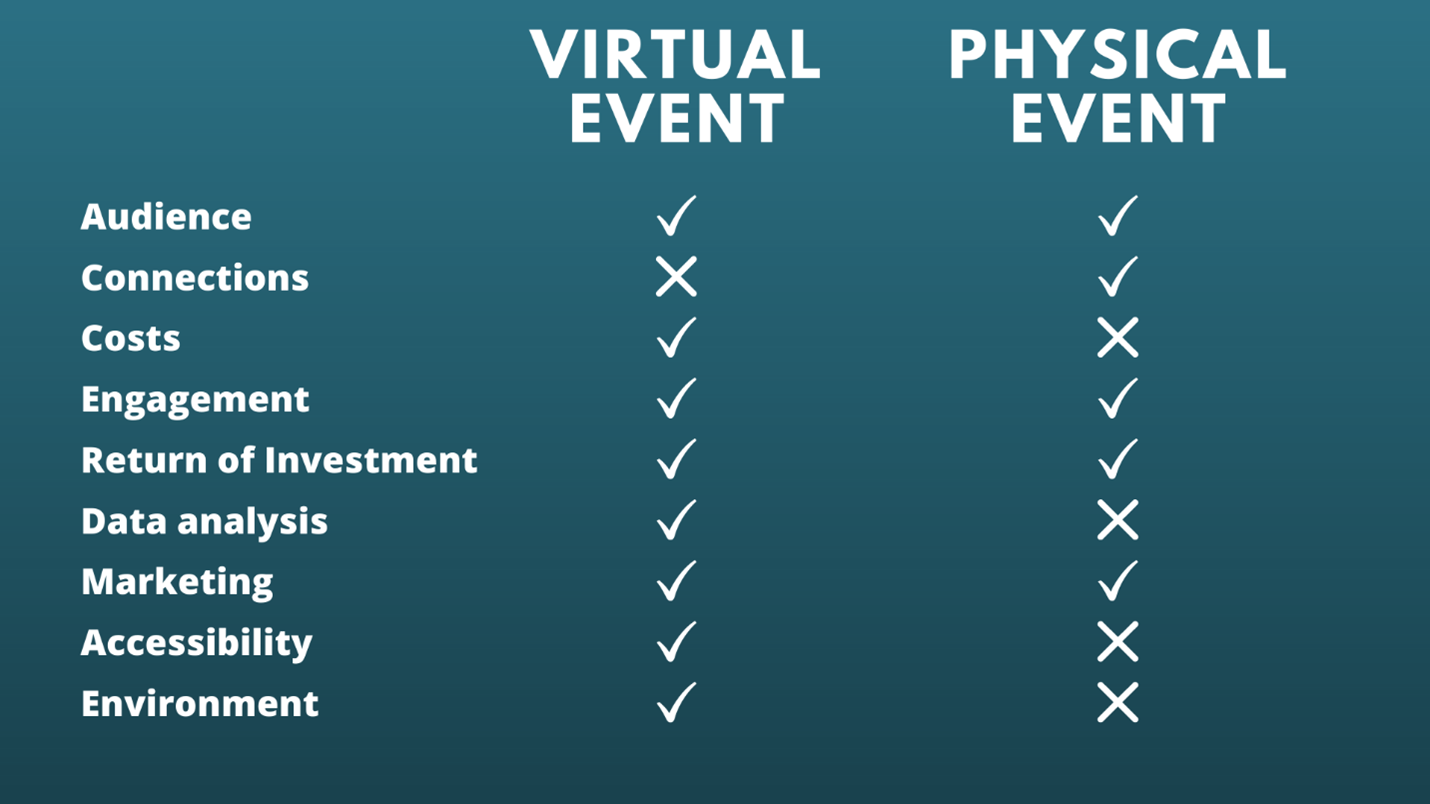
Virtual and physical showrooms differ primarily in terms of ease of access and convenience. Virtual showrooms provide unmatched convenience – customers can browse products from their homes, no matter where they are. However, physical stores demand that customers come to a particular place, thus reducing availability.
Nonetheless, physical showrooms offer a distinct personal encounter that virtual settings cannot imitate. Virtual showrooms cannot replicate the tactile experience of physically touching and interacting with products.
Financial implications
Cost plays a crucial role for businesses when evaluating showroom choices. Virtual showrooms are often more cost-efficient because they remove the requirement for physical space, staff, and upkeep costs linked to physical showrooms. Moreover, virtual showrooms allow companies to reduce transportation expenses, particularly when presenting bulky or heavy items.
On the other hand, setting up physical showrooms involves considerable initial expenses such as rent, display installations, and continuous maintenance costs. Moreover, there could be extra costs associated with shipping products for display at physical showrooms.
Experience in customer service
The customer experience sets virtual and physical showrooms apart as a crucial distinguishing factor. Customers can conveniently and flexibly explore products at their own pace in virtual showrooms. Nevertheless, some customers may find the lack of personal interaction and physical touch to be impersonal.
Physical stores are great for offering a full and interactive experience. Clients have the opportunity to interact with informed employees, get tailored help, and have hands-on experience with items. This in-person interaction frequently builds trust and confidence with its customers.
Upcoming trends in showrooming
With the continuous advancement of technology and changing consumer expectations, showrooms are on the brink of undergoing further transformation. Let’s explore the upcoming trends that will influence the virtual and physical showroom environments.
Innovations in technology are affecting showrooms.
Developments in technology, like improvements in virtual reality (VR) and augmented reality (AR) technology, will transform the showroom experience. Virtual showrooms will enhance immersion and realism, enabling customers to virtually engage with products as if they were there in person. Moreover, innovative technologies such as haptic feedback and 3D scanning will narrow the divide between virtual and physical experiences, offering a tactile and interactive atmosphere.
Behavior and Expectations of Consumers
The future of showrooms is heavily influenced by consumer behavior and expectations. Modern consumers prioritize convenience, personalized interactions, and immediate information retrieval. Virtual showrooms are expected to keep growing in popularity because of how convenient and accessible they are, which means physical showrooms will have to change by providing special experiences and extra services.
Additionally, industries such as Energy, Manufacturing, Mining, and Construction are expected to use virtual showrooms more frequently to simplify intricate product presentations, host remote training sessions, and offer virtual tours of manufacturing plants or construction sites.

Leave A Comment